
Monetizing Citizenship: The $100,000 H-1B Visa
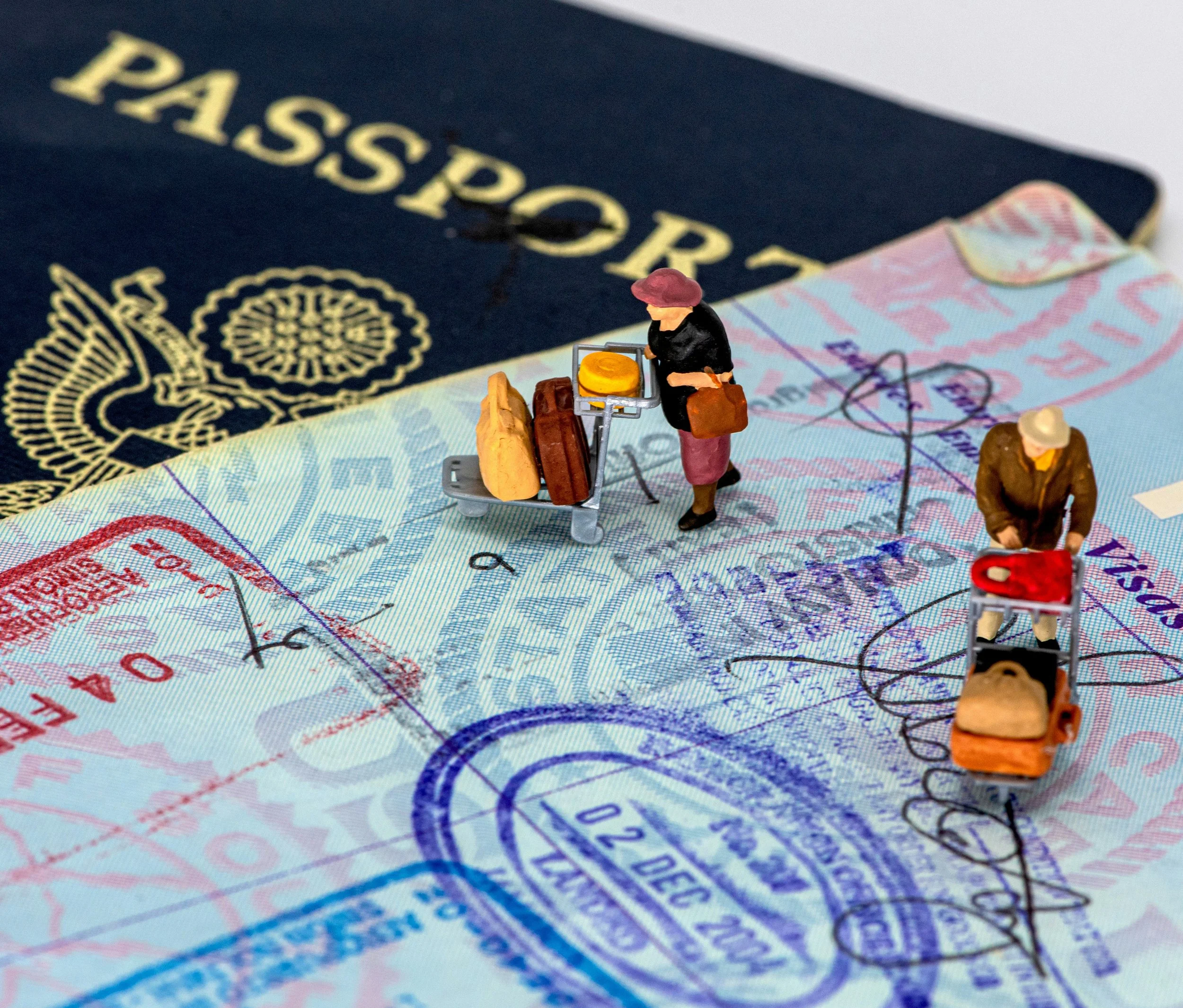
On September 19, 2025, President Trump signed a proclamation requiring an annual $100,000 fee for an H-1B visa application. In doing so, critics say that he effectively cut off a critical pathway Americans rely on to bring in healthcare workers, educators, and tech experts into the economy.
H-1Bs are nonimmigrant visas that allow skilled foreign workers in specialized fields to work in the United States on a temporary basis. Congress initially created the program through the Immigration Act of 1990 to address domestic labor shortages in STEM fields. Today, two-thirds of visas go to workers in tech-related jobs such as software development and systems engineering, but thousands of visas also go towards education, medicine, and science. Emory University files hundreds of H-1B applications a year and in 2024, hired 133 applicants approved by the U.S. Citizenship and Immigration Services (USCIS). Once approved, H-1B workers are allowed to stay in the U.S. for three to six years, with the option to stay longer if their employer sponsors a worker for permanent residency.
By issuing such a costly fee for H-1B applications, Trump has made it financially illogical for American companies to sponsor foreign workers. Because employers typically pay only $205 to file H-1B petitions, they are unlikely to shell out $100,000, especially when many foreign hires’ salaries are far below that six-digit number.
When he signed the proclamation, Trump insisted the H-1B program was a “national security threat” that discouraged Americans from pursuing science and technology careers, thereby risking American leadership. In a statement, the White House cited a study that found both wages and employment in computer science would be, at minimum, 2.6% and 6.1% higher, respectively, “absent the importation of foreign workers.” It also condemned abuse of the H-1B program for “visa fraud,” “conspiracy to launder money,” and other illicit activities.
But the H-1B visa program has many benefits as well. Research shows that bringing in highly skilled foreign workers can close the technical gap between the U.S. and other countries like China and encourage innovation through new patents and patent citations. One study concluded that H-1B “lottery wins enable firms to scale up without generating large amounts of substitution away from native workers.” In a November Fox News interview, the president himself walked back on his condemnation of the H-1B program, stating that American workers don’t have “certain talents” for the technological and manufacturing industry.
Even in its current state, the H-1B visa program remains controversial. Critics from both sides of the aisle have long argued that companies exploit the visa system to underpay foreign employees and boost profits. Senator Bernie Sanders (I-VT) has claimed the program replaces “good-paying American jobs with low-wage indentured servants from abroad,” while Steven Bannon, Trump’s former White House chief strategist, has condemned “Big Tech oligarchs” for supporting the program as “a total scam.” Even within the Republican party, tech leaders like Elon Musk have clashed with conservative activists like Laura Loomer over the program’s impact on American workers and expertise.
Critics have further pointed out that with a visa lottery system, successful H-1B applicants tend to be sponsored by big tech companies like Amazon, Google, and Microsoft. Limitations around employment for H-1B visa holders mean employees are effectively “captured” by their employer, which prevents them from protesting unfair treatment or negotiating for higher pay.
Leaders have proposed numerous reforms to the H-1B program over the years. In fact, in response to Trump’s memorandum, the top Republican and Democrat on the U.S. Senate Judiciary Committee reintroduced bills that aim to tighten rules on the program. They argue that common-sense changes like implementing new wage requirements for H-1B workers, prioritizing visa issuance for workers with higher levels of STEM education, and increasing penalties for wage violations would go a long way towards reducing abuse of the program.
However, some worry that Trump’s proclamation is part of a larger trend by the president to monetize the immigration process. Take his proposed $1 million “Gold Card” visa, which he launched via executive order with the promise of speedy approvals for the global wealthy. According to Commerce Secretary Howard Lutnick, the government plans to issue 80,000 Gold Cards, which, coupled with a potential Platinum Card (with a $5 million price tag) and the raised H-1B fees, could raise $100 billion in federal revenue. But critics have argued that this practice would only reward the rich and powerful while doing little to help the critical labor that the American economy needs to support innovation and remain competitive.
As of October 17, 2025, the U.S. Chamber of Commerce, a pro-business interest group, has filed a lawsuit against the Trump Administration regarding the new H-1B visa fee, arguing it makes the program “cost-prohibitive” for employers needing access to “global talent” to grow domestic operations. Their suit is one of several, including one filed by healthcare providers, religious groups, and university professors in San Francisco, that hopes to block the fee from going into effect. In response, White House spokeswoman Taylor Rogers called the H-1B fee a “lawful” and “necessary, initial, incremental step” towards reform.
Even if the proclamation is overturned, however, many have argued that this H-1B visa fee is part of a broader strategy to sow fear and uncertainty for those in the immigrant community and beyond. As evidence, they point to the breadth of anti-immigrant actions Trump has taken within the first ten months of taking office; the president has deployed federal troops in five major American cities, suspended the refugee program, revoked student visas, drastically cut accepted refugees, and attempted to restrict birthright citizenship — all at a pace six times faster than the first Trump term.
Through the confusion and chaos, the message the Trump administration wishes to send remains clear: don’t hire foreign workers.